
Introduction
Ask ten people how they budget and you’ll get ten different, mostly chaotic answers. Some use spreadsheets, some use nothing at all. If you’re looking for something dead simple that actually works, the 50/30/20 budget rule might be exactly what you need. I started using it two years ago after my own budgeting attempts kept falling apart by month three, and it genuinely simplified things.
What Is the 50/30/20 Rule, Exactly?
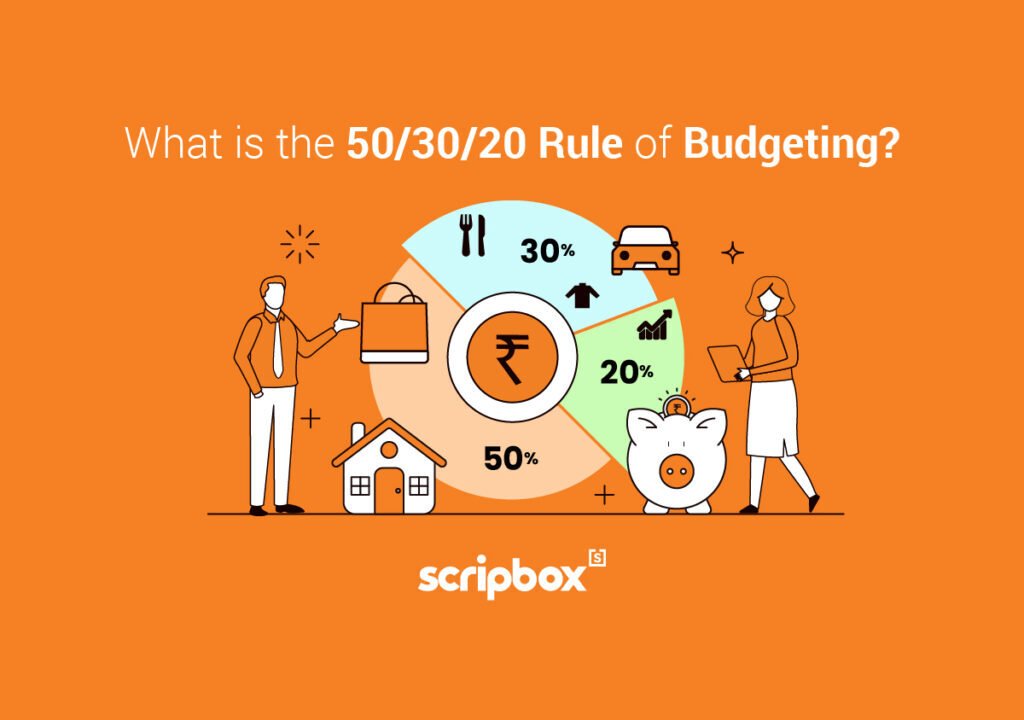
Quick answer: The 50/30/20 rule splits your take-home income into three parts — 50% for needs, 30% for wants, and 20% for savings and debt repayment. No complicated categories, just three simple buckets.
It’s not a perfect system for everyone, but as a starting framework, it removes the guesswork that stops most people from budgeting at all.
The 50% — Needs
This bucket covers everything you genuinely can’t skip: rent or EMI, groceries, electricity, transportation, insurance premiums, and minimum debt payments.
Say your monthly take-home is ₹60,000. That means ₹30,000 should ideally cover all your essential expenses. If your rent alone eats ₹20,000, you’ve got ₹10,000 left for groceries, bills, and transport — which is tight but doable in most Indian cities.
- Rent/home loan EMI
- Groceries and utilities
- Transportation and fuel
- Minimum insurance premiums
The 30% — Wants
This is where dining out, subscriptions, shopping, and entertainment live. Using the same ₹60,000 example, that’s ₹18,000 for the fun stuff.
I’ll be honest — this is the category people mess up the most. It’s easy to convince yourself something’s a “need” when it’s really a want. That new phone upgrade? Want. The Netflix and three other streaming subscriptions? Also wants, and probably overlapping ones you forgot to cancel.
The 20% — Savings and Debt
Quick answer: This 20% goes toward building an emergency fund, investing (SIPs, PPF, stocks), and paying off any debt beyond the minimum required amount. This is the bucket that builds your future financial security.
With ₹60,000 income, that’s ₹12,000 monthly toward your future self. Even if it feels small initially, consistency matters more than the amount.
Does This Rule Actually Work in Indian Cities?
Here’s where I’ll push back a little on the rule itself — in cities like Mumbai or Bengaluru, rent alone can eat 40-50% of income for many young professionals. The strict 50/30/20 split just isn’t realistic there.
In those cases, adjusting to something like 60/20/20 or even 65/15/20 makes more sense until your income grows or rent becomes a smaller share of your budget. The principle matters more than the exact numbers.
How to Actually Track It
- Calculate your monthly take-home income after tax
- List every expense for one month (yes, even the ₹150 coffee)
- Sort each expense into needs, wants, or savings
- Use a simple budgeting app or even a basic spreadsheet
- Review it monthly and adjust categories that keep going over
[link to related guide on best budgeting apps here]
Common Mistakes When Following This Rule
People often forget irregular expenses — annual insurance premiums, festival spending, or car servicing — and these throw the whole budget off when they suddenly appear. Building a small buffer for irregular costs within your “needs” bucket helps avoid this surprise.
FAQ
Q1: Is the 50/30/20 rule good for someone with high debt? If you have significant debt, consider shifting more toward debt repayment temporarily, maybe a 50/20/30 split favoring debt over wants.
Q2: What counts as a “want” versus a “need”? Needs are things you can’t function without — basic food, shelter, transport. Wants are things that improve life quality but aren’t essential, like dining out or entertainment.
Q3: Can I follow this rule with an irregular income? Yes, but calculate percentages based on your average monthly income over the past 6-12 months rather than a single month.
Q4: Should the 20% savings include EMI payments? Extra debt payments beyond the minimum required amount count here; minimum EMIs count under the 50% needs bucket.
Q5: What if my needs are more than 50% of my income? That’s common in expensive cities — adjust the ratio to fit reality first, then work toward reducing needs-based expenses over time.
Conclusion
The 50/30/20 budget rule isn’t magic, but it gives structure to something that otherwise feels overwhelming. Start with these three buckets, adjust the percentages to fit your actual city and life situation, and track it for at least three months before judging whether it works for you. Pick one expense category right now — just one — and check honestly whether it belongs in “needs” or “wants.”
Suggested image alt text: “pie chart showing 50 30 20 budget rule breakdown”