
Introduction
My first stock purchase was based entirely on a tip from a cousin who “had a feeling” about it. I lost money, obviously. Looking back, that was just one of many stock market mistakes for beginners that nearly everyone makes at some point. The good news? These mistakes are predictable, which means they’re avoidable too.
Mistake #1 — Investing Based on Tips, Not Research
Quick answer: Following stock tips from friends, social media, or WhatsApp forwards without independent research is one of the most common and costly mistakes new investors make.
If someone’s confident enough to tell you a stock will rise, ask yourself why they’re sharing the “secret” instead of quietly buying it themselves.
Mistake #2 — Panic Selling During Market Drops
Markets fall. That’s just how they work. But beginners often panic and sell at the worst possible moment, locking in losses that would have recovered given time.
I’ve watched this happen to people close to me — they sold during the 2020 crash out of fear, only to watch the market recover fully within a year. Selling in panic converts a temporary paper loss into a permanent real one.
Mistake #3 — Putting All Money Into One or Two Stocks
Concentration risk is real. If your entire portfolio sits in one or two stocks, a single bad quarter for that company can wipe out significant value.
- Diversify across sectors — don’t put everything in just IT or just banking stocks
- Consider mixing individual stocks with mutual funds or index funds for balance
- A general rule: no single stock should be more than 5-10% of your total portfolio
Mistake #4 — Not Having an Exit Strategy
Quick answer: Buying a stock without deciding in advance when you’ll sell — whether at a profit target, a loss limit, or a specific event — leads to emotional decision-making later.
Before you buy, decide your reasons for selling. Otherwise, you’ll rationalize holding onto a losing stock indefinitely, hoping it “comes back.”
Mistake #5 — Ignoring Fees and Taxes
Brokerage fees, STT (Securities Transaction Tax), and capital gains tax all eat into your actual returns. Frequent trading racks up costs that many beginners don’t fully account for.
- Short-term capital gains (held under 1 year) are taxed at 20% currently
- Long-term capital gains (held over 1 year) above ₹1.25 lakh are taxed at 12.5%
- Frequent buying and selling multiplies brokerage and tax impact significantly
[link to related guide on how to read stock charts here]
Mistake #6 — Trying to Time the Market Perfectly
Everyone wants to buy at the exact bottom and sell at the exact top. Almost nobody does this consistently, not even professional fund managers.
Time in the market genuinely beats timing the market for most retail investors. This isn’t a cliché — it’s backed by decades of data showing that missing just the ten best trading days over a decade can significantly reduce overall returns.
Mistake #7 — Not Reviewing the Portfolio Regularly
Some beginners buy stocks and then forget about them for years, never checking whether the original reason for buying still holds true. Others check obsessively every hour, which creates unnecessary anxiety.
A quarterly review — not daily, not never — tends to strike the right balance for most long-term investors.
FAQ
Q1: What’s the single biggest mistake new stock market investors make? Investing based on tips or hype without doing any personal research is probably the most common and damaging mistake.
Q2: Is it normal to lose money as a beginner investor? Yes, most investors experience some losses while learning — the goal is to learn from them rather than repeat the same errors.
Q3: How much of my savings should go into stocks as a beginner? This depends on risk tolerance and goals, but many advisors suggest starting conservatively and increasing exposure as you gain confidence and knowledge.
Q4: Should beginners avoid intraday trading? Generally yes — intraday trading requires significant skill, time, and risk tolerance that most beginners haven’t developed yet.
Q5: How do I avoid panic selling during a crash? Having a clear long-term investment plan written down before a crash happens helps you stick to logic rather than emotion when markets fall.
Conclusion
These stock market mistakes for beginners are almost a rite of passage, but you don’t have to learn every one the hard way through your own money. Do your research, diversify, avoid tips from WhatsApp groups, and resist the urge to check your portfolio every hour. Review your current holdings today and honestly ask yourself why you own each one — if you can’t answer clearly, that’s worth addressing.
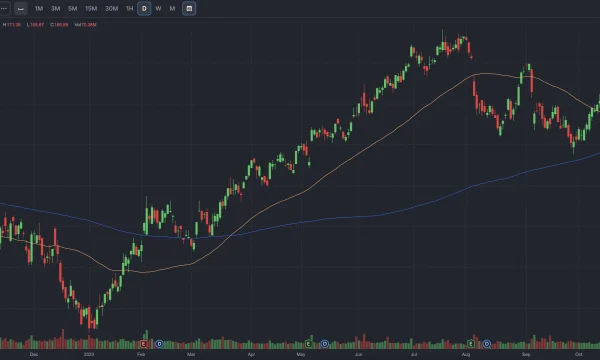
Suggested image alt text: “frustrated beginner investor looking at falling stock chart on laptop”