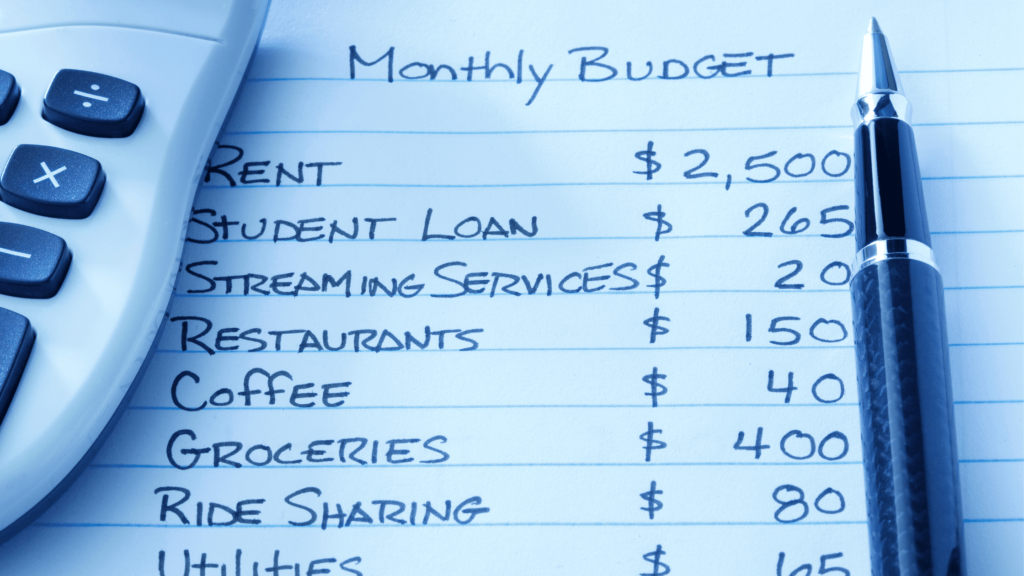
I tried the 50-30-20 rule once, on a spreadsheet with color-coded tabs and everything. Lasted about eleven days before I gave up checking it. If you’ve had a similar experience, you’re not bad with money — you probably just built a budget that didn’t fit how you actually live.
Learning how to create a monthly budget that survives past week two isn’t about discipline alone. It’s about designing something realistic in the first place.
Why Most Budgets Fail Within a Month
Quick answer: Most monthly budgets fail because they’re too rigid, ignore irregular expenses, and rely on manual tracking that people abandon after a few weeks — not because the person lacks financial discipline.
Think about it — a budget that assumes you’ll never order food on a bad day, or never get invited to a wedding you didn’t plan for, isn’t really a budget. It’s a fantasy with numbers attached.
Step 1: Track Actual Spending Before Planning Anything
Before building any budget, spend one month just tracking where your money currently goes, without trying to change anything yet. Use your bank statement and UPI transaction history — most apps like INDmoney or Money View can auto-categorize this for you.
You’ll probably be surprised. A lot of people underestimate food delivery and subscription spending by a wide margin until they actually see the number in black and white.
Step 2: Categorize Your Expenses Honestly
Break spending into three honest buckets rather than vague labels:
- Fixed essentials: Rent, EMIs, insurance premiums, school fees
- Variable essentials: Groceries, fuel, utility bills (necessary but fluctuating)
- Discretionary: Dining out, entertainment, shopping, subscriptions
Don’t lump “essential” and “discretionary” together — that’s where most budgets quietly fall apart, because cutting discretionary spending feels very different from cutting essentials.
[link to related guide on best budgeting apps 2026 here]
Step 3: Pick a Budgeting Framework That Fits You
The 50-30-20 rule (50% needs, 30% wants, 20% savings) is popular, but it doesn’t work for everyone — especially in high-rent cities where housing alone can eat 40%+ of income. Picture a young professional in Mumbai paying ₹35,000 rent on a ₹75,000 salary; the standard 50-30-20 split simply doesn’t apply to her reality.
- Zero-based budgeting: Every rupee gets assigned a job, nothing left unallocated
- 50-30-20 rule: Good starting template for moderate cost-of-living cities
- Envelope method: Physical or digital “envelopes” per category, spending stops when the envelope’s empty
Step 4: Automate What You Can
Set up auto-debits for SIPs, EMIs, and insurance premiums right after salary credit, before you have a chance to spend that money elsewhere. This single habit probably does more for budget adherence than any tracking app ever could — you’re not relying on willpower once the money’s already moved.
Step 5: Build in a Buffer for Irregular Expenses
This is the step most monthly budget plans skip entirely. Set aside 5-10% monthly specifically for irregular costs — festivals, gifts, sudden repairs, annual subscriptions that renew once a year and catch you off guard. Without this buffer, one unexpected expense derails the entire month’s plan.
Quick answer: Building a 5-10% “irregular expenses” buffer into your monthly budget prevents the common cycle of good months followed by a completely blown budget the moment an unplanned cost shows up.
Step 6: Review and Adjust Monthly, Not Just Once
A budget isn’t a document you write once in January and forget. Review it every month — did you overshoot dining out again? Did an EMI just get paid off, freeing up cash flow? Adjust the numbers rather than abandoning the whole system the moment it doesn’t match reality perfectly.
Common Mistakes to Avoid
I’ve noticed people often set overly aggressive savings targets in month one, feel like a failure by week two, and quit entirely. Start conservative, hit your numbers consistently, then tighten gradually — momentum matters more than perfection here.
FAQs
How much should I save from my monthly income? A common target is 20%, but this varies hugely by income level and city — someone earning ₹1.5 lakh monthly can often save 30%+, while someone earning ₹40,000 in a metro might realistically manage 10-15%.
Should couples maintain a joint budget or separate ones? Both approaches work, but a hybrid — shared expenses tracked jointly, personal discretionary spending kept separate — tends to reduce friction the most.
What’s the best way to track daily expenses? Apps that auto-read SMS/UPI transaction alerts (like Money View or INDmoney) remove the manual entry burden that causes most people to abandon tracking.
Is the 50-30-20 rule realistic for Indian metro cities? Not always — high rent in cities like Mumbai or Bangalore often pushes the “needs” category well past 50%, so the ratio needs local adjustment.
How do I budget for irregular income if I’m a freelancer? Base your budget on your lowest-earning month from the past year, and treat anything above that as a bonus to save or invest, rather than budgeting off your average or best month.
Conclusion
Figuring out how to create a monthly budget that lasts isn’t about a perfect spreadsheet — it’s about building something flexible enough to survive real life. Track first, categorize honestly, automate what you can, and leave room for the unexpected. Give it three months before judging whether it’s working; the first one rarely goes perfectly.