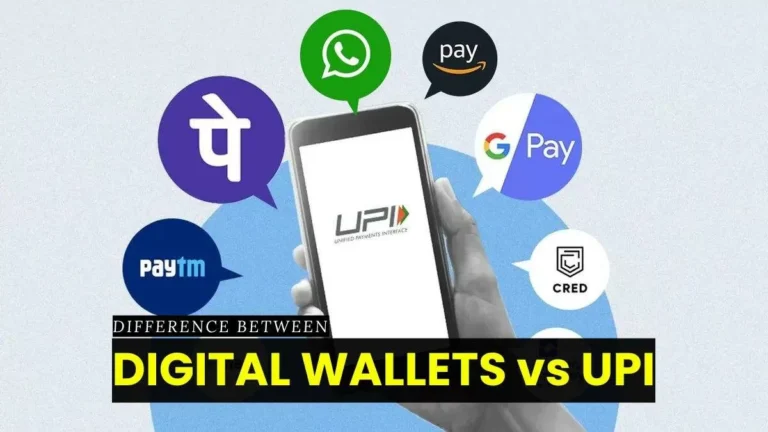
Ten years ago, paying a vegetable vendor meant carrying loose change. Now I watch my neighborhood sabzi wala scan a QR code for ₹40 without blinking. The shift has been genuinely fast, and honestly, it’s easy to lose track of how many best fintech apps in India now exist across payments, investing, lending, and budgeting.
Let’s go category by category, without the generic “top 10” listicle fluff.
Why FinTech Adoption Exploded in India
Quick answer: India’s fintech boom was driven largely by UPI’s free, instant, interoperable payment infrastructure combined with rising smartphone penetration and affordable data, making digital financial tools accessible even in smaller towns.
What used to require a bank branch visit now takes 30 seconds on a phone — opening a demat account, applying for a loan, or even filing taxes. That accessibility is the real story here, more than any single app.
Payment Apps Worth Knowing
Google Pay, PhonePe, and Paytm dominate the UPI payments space, and honestly, they’ve become close to interchangeable for basic transactions. PhonePe currently holds the largest UPI market share, followed closely by Google Pay.
- PhonePe: Strong UPI base, plus insurance and mutual fund investing built in
- Google Pay: Clean interface, widely trusted, integrates well with rewards/scratch cards
- Paytm: Broadest ecosystem — payments, wallet, bill payments, and merchant tools all in one
[link to related guide on what is UPI payment here]
Investment and Wealth Apps
This category has genuinely changed how young Indians build wealth. Apps like Zerodha (Kite), Groww, and Upstox made stock and mutual fund investing accessible to people who’d never have walked into a traditional brokerage before.
I’ve noticed a real generational shift here — my cousin started her first SIP through Groww at 22, something that would’ve involved paperwork and a broker visit a decade ago. Zerodha remains popular for serious traders due to low brokerage costs, while Groww tends to appeal more to first-time mutual fund investors thanks to its simpler interface.
Lending and Credit Apps
Digital lending platforms like KreditBee, MoneyTap, and CASHe offer quick personal loans, often disbursed within hours. I’ll be upfront about my concern here — while convenient, some of these apps carry high interest rates, and it’s worth reading the fine print carefully before borrowing, especially for smaller loan amounts where the effective annual rate can be surprisingly steep.
For more structured borrowing, apps tied to established banks (like HDFC’s or ICICI’s own apps) tend to offer better transparency on rates, even if the process feels slightly less instant.
Budgeting and Expense Tracking Apps
Apps like Walnut (now part of the fintech ecosystem differently), Money View, and INDmoney help track spending by reading SMS transaction alerts automatically, which honestly saves a lot of manual entry hassle. INDmoney has expanded well beyond budgeting into a full net-worth tracker, pulling in bank accounts, investments, EPF, and even US stocks into one dashboard.
Insurance-Tech (Insurtech) Apps
Digit Insurance and Acko have carved out a real niche by simplifying what used to be a painfully paper-heavy process. Both offer quick online policy issuance and, more importantly, a claims process that doesn’t feel like pulling teeth — something traditional insurers have historically struggled with.
Comparing the Categories
Here’s a rough sense of what to reach for depending on your need:
- Daily payments: PhonePe or Google Pay — near-identical experience, pick based on personal preference
- Long-term investing: Groww for beginners, Zerodha for active traders
- Emergency credit: Use bank-affiliated apps first; treat instant-loan apps as a last resort
- Tracking net worth: INDmoney gives the most complete single-dashboard view
- Buying insurance: Digit or Acko for a genuinely smoother claims experience
A Word of Caution
Not every fintech app deserves your trust blindly. I’d recommend sticking to RBI-regulated or well-funded, established platforms rather than obscure lending apps that pop up as social media ads promising instant approval with minimal verification — those are frequently where people run into predatory terms or, worse, outright scams.
FAQs
Are fintech apps in India safe to use for daily transactions? Major apps like PhonePe, Google Pay, and Paytm are regulated and use bank-grade encryption, making them generally safe, though basic hygiene like not sharing OTPs still matters enormously.
Which fintech app is best for beginner investors? Groww is often recommended for first-time investors due to its simple interface and low barrier to starting SIPs in mutual funds.
Do fintech lending apps charge higher interest than banks? Often yes — many digital lending apps charge higher effective interest rates than traditional bank personal loans, so comparing the annual percentage rate before borrowing is worth the extra five minutes.
Can I file income tax through a fintech app? Yes, apps like ClearTax simplify tax filing significantly, though for complex returns involving business income, a CA’s review is still advisable.
Is it safe to link my bank account to budgeting apps? Reputable apps use read-only access via secure APIs and don’t store your banking credentials, but it’s worth checking an app’s data privacy policy before linking sensitive accounts.
Conclusion
The best fintech apps in India genuinely vary depending on what you’re trying to solve — payments, investing, credit, or tracking your money overall. Rather than downloading everything at once, pick one app per category that fits your actual habits, and give it a real month before switching to something else.