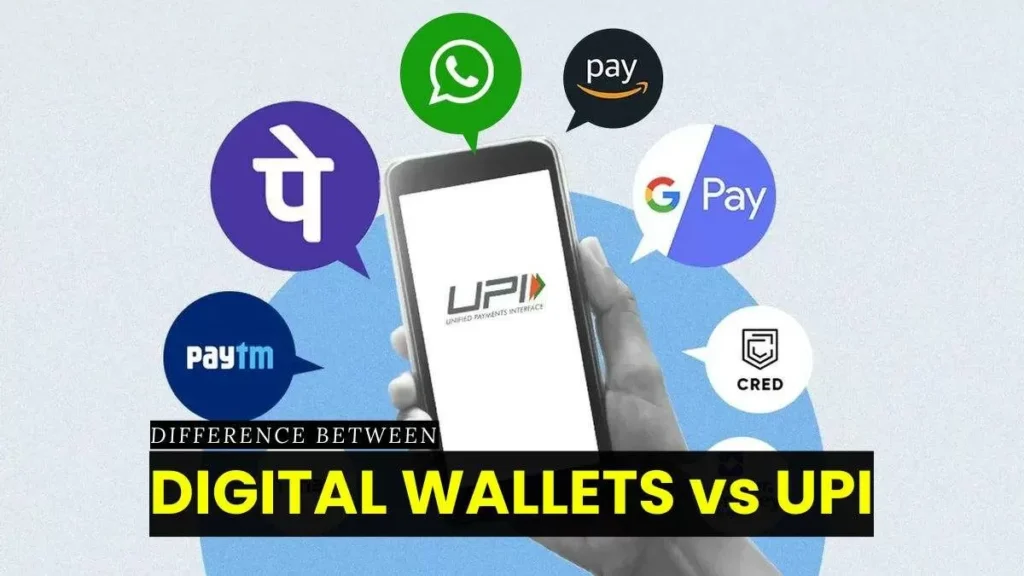
I remember standing in a bank queue in 2015, filling out a paper deposit slip. Try explaining that to a teenager today who’s grown up scanning QR codes at the local chaiwala. If you’ve ever wondered what is UPI payment and why it took over so completely, the answer is simpler than most people expect.
The Basic Definition
Quick answer: UPI (Unified Payments Interface) is a real-time payment system developed by NPCI that lets users transfer money instantly between bank accounts using a mobile phone, without needing account numbers or IFSC codes for every transaction.
Launched in 2016, UPI essentially turned every smartphone into a bank branch. You link your bank account to a UPI app, create a UPI ID (something like yourname@bank), and you’re set to send or receive money instantly, 24/7, including weekends and holidays — something the older NEFT/RTGS systems couldn’t offer for years.
How UPI Actually Works Behind the Scenes
When you scan a QR code or enter someone’s UPI ID, the request routes through NPCI’s servers, which verify both accounts and instantly move money between banks. The entire process typically takes just a few seconds, and both parties get instant confirmation.
- No need to remember account numbers or IFSC codes
- Works across banks — you’re not restricted to using your own bank’s app
- Transactions are free for individuals in almost all cases
- Available round the clock, including Sundays and public holidays
Why UPI Grew So Fast in India
A few factors converged at exactly the right moment. Affordable smartphones flooded the market, data got cheap after Jio’s entry around 2016, and demonetization that same year pushed millions toward digital payments almost overnight, whether they were ready or not.
Picture a small shopkeeper in Jaipur who, back in 2016, only accepted cash. Today, that same shopkeeper has a QR code taped to the counter and probably processes more transactions via UPI than cash on a typical day. That shift happened faster than almost anyone predicted.
[link to related guide on best fintech apps in India here]
UPI Transaction Volumes Today
The scale here is honestly staggering — UPI now processes billions of transactions monthly across India, dwarfing older payment rails like debit cards and NEFT combined. It’s become the default way most urban and increasingly rural Indians move money, from splitting a restaurant bill to paying school fees.
Common UPI Apps and How They Differ
Most UPI apps use the same underlying NPCI infrastructure, so the core transaction experience is nearly identical regardless of which app you pick.
- Google Pay: Simple, clean, widely trusted for peer-to-peer transfers
- PhonePe: Broader ecosystem including investments and insurance alongside payments
- Paytm: Combines UPI with wallet balance and merchant payment tools
- BHIM: NPCI’s own app, more basic but seen as a neutral, government-backed option
Is UPI Completely Safe?
Quick answer: UPI is generally very safe when used correctly, since it relies on bank-grade encryption and requires a PIN for every transaction, but the biggest risk comes from social engineering scams, not technical flaws in the system itself.
The scams that actually hurt people usually involve fraudsters tricking someone into entering their UPI PIN to “receive” money — which is never how receiving money works. You never need to enter a PIN to receive funds, only to send them. I genuinely wish more people knew this one fact; it would eliminate a huge chunk of UPI fraud cases overnight.
UPI Beyond Simple Payments
UPI has expanded well past basic person-to-person transfers. You can now use it for recurring payments (UPI AutoPay), international transactions in select countries, and even credit line payments through RuPay credit cards linked to UPI — a feature that’s still gaining traction but growing steadily.
FAQs
Is UPI free to use for personal transactions? Yes, individual-to-individual and most individual-to-merchant UPI transactions are free, though some banks or apps occasionally charge nominal fees for specific services like bill payments through certain gateways.
What is a UPI ID and how do I create one? A UPI ID is a unique identifier (like name@bankname) linked to your bank account, created automatically when you set up any UPI app and link your bank account with OTP verification.
Can I use UPI without an internet connection? Yes, through *99# USSD-based UPI, which works on basic feature phones without internet, though it’s far less common now with widespread smartphone and data access.
Is there a transaction limit on UPI payments? Yes, typically ₹1 lakh per transaction for most banks, though this varies by bank and specific use case (some categories like IPO payments allow higher limits).
Can UPI be used for international payments? Increasingly yes — UPI is now accepted in select countries like Singapore, UAE, and France for Indian travelers, though this feature is still expanding gradually.
Conclusion
Understanding what is UPI payment really is comes down to appreciating how it removed friction from something as basic as moving money between two people. If you’re still occasionally reaching for cash out of habit, this year’s as good a time as any to see just how much simpler your daily transactions could get.